
It’s Been Quite a Year
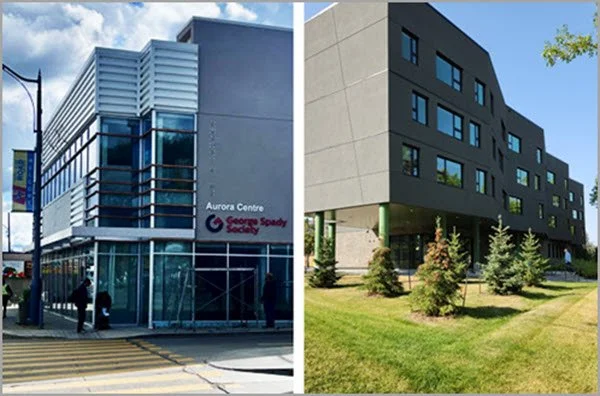
Almost Full at Horizon Pathways
It’s hard to believe that Horizon Pathways is only a year old given all the program and participant growth that Joanita Udinyiwe, Program Manager, highlights for us in this update.
Horizon Pathways has been busy but is going very well. We currently have 57 participants and are hoping to reach full capacity of 63 in early September. The program has developed its own identity and sense of community with participants and staff choosing the new name. Participants continue to become more involved in their recovery. Recovery check-ins are a regular part of case management, helping participants reflect on their progress, identify challenges, and stay connected to recovery supports. Our own Recovery Capital Assessment also helps us provide more individualized support.
We continue to strengthen the recovery culture in the building. Now participants can engage in Wellbriety and SMART Recovery programs, and we have welcomed Sober Homies onsite to expand recovery community connections. We introduced morning and evening recovery readings so participants can start and end their day with reflection, encouragement, and a focus on recovery.
To help new participants understand the program, recovery expectations, available supports, and opportunities for involvement, individuals complete a five day orientation at move in. This creates a smoother transition into the community and increased understanding of what to expect. Going beyond sobriety, individuals are building meaningful and independent community lives as they increasingly identify goals and build purpose and routine outside the program. Approximately 40% of our participants are working, volunteering, or attending school.
There is still lots of work ahead, but I’m very proud of how far Horizon Pathways has come and excited about where we are headed.
Before and After Team Lead Reflections at MSD
The MSD Team Leads reflected on the dramatic change from a 40-year-old, ‘compact’ Detox site to a two-story,
state of the art facility filled with light, windows, and open space.
Their conclusion? Overall, the change is positive —an enhanced experience for both clients and staff. More space, privacy, comfort, and opportunities for programming have improved client engagement and satisfaction. Staff continue to benefit from modern workspaces and added resources that better support service delivery.
Team leads did reflect fondly on benefits of the smaller footprint of the former site: close interpersonal connections, easier communication, and strong relationships with neighboring programs and community members. Though missing some of that intimacy, leaders overwhelmingly agreed that the benefits of the new facility outweigh the challenges.
This was a dramatic change though. Leaders highlighted the team's ability to navigate a major organizational change while maintaining exceptional care for a complex and vulnerable client population as perhaps the greatest success of the past year. Staff adapted quickly, embraced new systems, and continued delivering compassionate services despite the challenge of establishing operations in a new facility.
Team leads were especially proud of the resilience, dedication, and professionalism demonstrated by staff throughout the transition. One year later, the program has not only successfully adjusted to a new building but has also grown in its capacity to serve clients. The move has strengthened the foundation for future innovation while reaffirming the organization's commitment to dignity, compassion, safety, and recovery-focused care.